
Our child care programs, summer camp, and forest school are child-centered and inquiry based.

Kid wearing backpack holding parent hand walking to school © Choreograph from Getty Images Pro via Canva
With back-to-school just around the corner, we’re offering some tips to help you make the transition from summer to school smoother, so everyone feels confident, comfortable, and ready for the year ahead.
Re-establish routines early.

Daily routines support self-regulation when they prioritize the essentials: nutrition, active time, rest time, connection, and time to complete daily responsibilities. For more on routines, see The Importance of Family Routines – HealthyChildren.org.At Upper Canada Child Care, we have flexible daily routines and rhythms that meet children’s daily needs, including for plenty of play (for more, see Upper Canada Child Care – Our Childcare Programs).
It’s all about balance. We know that some families maintain consistent bedtimes year-round, but for others where summer has meant later nights and slower mornings, you may wish to begin shifting bedtime, wake-up times, and mealtime routines in advance.

Speaking of mealtimes, we see these as great daily opportunities to connect and check in.
Whether it’s breakfast, lunch, or dinner, shared meals give kids more than just food – they can help them feel grounded and supported. Eating together builds connection. That’s why at Upper Canada Child Care, we do meals “family style” where educators sit and eat and converse with the children, and kids are encouraged to self-serve their food.
Confirm and communicate in advance.

Before school starts, confirm emergency contacts and ensure everyone knows and understands the plan for pickups, buses, and routines.
Clear communication helps things go smoothly and reduces stress for both children and caregivers.
Practice skills to build resilience, independence, and confidence.
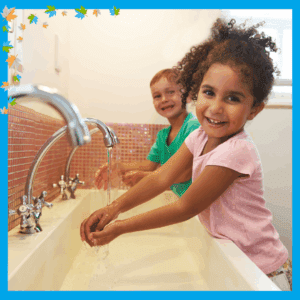
Summer may be a break from school, but not from learning, and our mindset about learning matters. Whenever possible, intentionally spending time on practicing things from a growth mindset perspective will go a long way towards children’s skill building and family connection. Kids notice what we say and how we say it – to them and to ourselves – we’re always modeling and they’re always absorbing.
For example, if they forget to turn off the water, replace the toilet paper, or knock the soap into the sink, try to view “mistakes” as teachable moments and learning opportunities. Praise effort and remember: “progress over perfection” and “connection before correction”. These two ideas go a long way towards skill development.
Other examples of things kids can practice include zipping up jackets and opening lunch containers. Letting children try to do things themselves builds their skills and confidence. We as caregivers can support children by believing in their capacity and resisting the urge to take over. By allowing kids to struggle a bit, we help build resilience. Whatever the skill – from making a simple snack to tying shoelaces, it helps to break the process down into small, specific, manageable steps.
Keep in mind, self-help skills and independence develop over time, so it’s never too early to start. To set up for success: be patient, expect things to take longer, and build in extra time where possible. We can encourage children’s decision-making skills by letting them make more choices and as long as it’s safe, honouring those choices (even if clothes don’t match!).
Lastly, don’t compare; development isn’t a race, but do reach out for support if needed.
Share Responsibility
Giving children responsibilities not only builds their skills but supports the family. As a result of being trusted with shared family responsibilities, children feel capable and part of the team. For example, you could involve kids in planning grocery lists and preparing meals (see Involve kids in planning and preparing meals – Canada’s Food Guide), as well as shopping, cooking, cleaning, laundry, gardening, and pet care. In addition, children can be involved in planning and carrying out special family activities and events; they have great creativity, solutions, and energy to contribute!
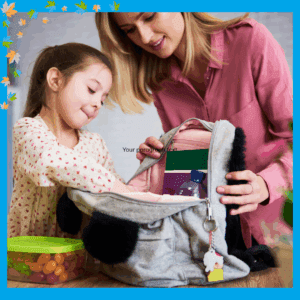
Get Organized: Pack and Label Essentials
Before back-to-school time, make sure clothes and shoes fit, and label everything going to school or childcare. This includes extra clothes, shoes, and weather-appropriate gear. Getting organized prior to the big day will help during the first week run more smoothly and could be a great strategy to continue throughout the year too.
Simplify lunches and snacks (and anything else you can)
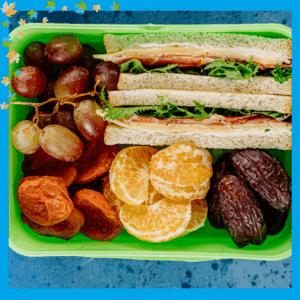
Plan easy, allergy-safe, healthy meals and whenever possible, involve children in planning, preparing, and unpacking their lunch bags.
These shared moments are valuable for learning and connection (see Healthy eating for parents and children – Canada’s Food Guide).
Count Down!
Summer will be over before we know it. In the meantime, enjoy the rest of the season while building excitement for the new school year. Some families like to create a back-to-school countdown calendar together, as it’s a fun creative activity and visual countdowns help kids—and adults—mentally prepare.
However you spend the last few weeks of summer, we hope you’ve made lots of joyful memories!