
Our child care programs, summer camp, and forest school are child-centered and inquiry based.
Welcome to another post in our Childhood Development Series, where we explore the different ages and stages in our UCCC programs. Today, we’re diving into preschool development for ages 30–44 months — those amazing little humans full of energy, imagination, and big feelings.
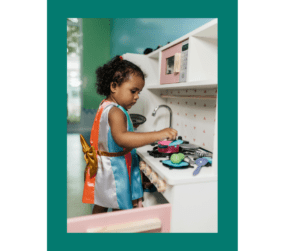
Our goal? To share what’s typical at this stage and offer practical tips for supporting your child. Remember: childhood development isn’t the same for every child and if you do have any concerns, reaching out to a healthcare provider is always a good step.
What Makes This Stage So Special?
Preschoolers are curious explorers. They’re learning new words every day, asking endless questions, and starting to form friendships. Their physical skills are improving — they can run, climb, and maybe even pedal a tricycle. Social-emotional growth is huge too: they’re learning to share, take turns, and manage big feelings (with your help!).
But emotions can still change quickly. One minute they’re joyful and cooperative, the next they’re frustrated or sad. That’s normal. Self-regulation takes time and practice during the preschool development stage and your calm, consistent support makes all the difference.
Independence in Action
“I can do it!” is the preschooler motto. They want to dress themselves, pour their own juice, and make choices. This independence is exciting, but it can also lead to power struggles. When your child resists or says “No,” try to see it as confidence-building, not defiance. Avoid doing everything for them; allowing mistakes builds confidence. Independence takes time and patience, so look for opportunities to let them try. These moments help them develop resilience and a strong sense of self.
Process Over Product
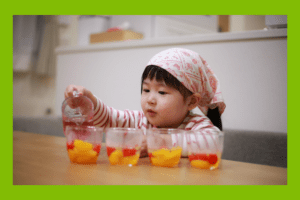
You also might hear educators talk about prioritizing “the process over the product” when it comes to little children’s art or efforts. Perfection isn’t the goal with any activity; practice and refining skills and supporting a deepening understanding IS. Providing them with appropriate child-safe tools for pouring and cutting supports autonomy, while keeping them safe and helping them build fine motor skills that are important for writing. Also, don’t forget to let them help clean up any messes. WIN-WIN-WIN!
Play: The Preschooler’s Superpower
Play is how preschoolers learn best. At this age, pretend play blossoms — they might be superheroes, chefs, or explorers. They’re moving from playing side-by-side to playing with others, which means learning to share and take turns. These skills take time and practice, so model empathy and cooperation during play. Parents are often a child’s first play partner, which is wonderful, but when a child is deeply engaged in play, it’s important not to interrupt or take over. Independent play is important during preschool development; it builds focus and confidence, so let them lead while you observe and celebrate their discoveries. When our educators notice a child who is deeply engaged in building a block tower, no matter how wobbly it is, we resist the urge to “fix” or direct their play. Instead, we observe, comment positively, and let them lead. This fosters creativity and problem-solving skills.
Little Helpers
Preschoolers love to watch what adults do, and they often want to join in! Whether it’s sweeping the floor, stirring pancake batter, or watering plants, these moments are golden opportunities for learning. When children help, they’re practicing motor skills, building confidence, and feeling like valued members of the family or classroom. Encourage this by offering safe, simple tasks: let them carry napkins to the table, match socks, or help feed a pet. It might take longer (and get a little messy), but the benefits are huge: cooperation, independence, and a sense of responsibility all start here. You may even see these tasks pop up into their pretend play so that they can practice and perfect their new skills.
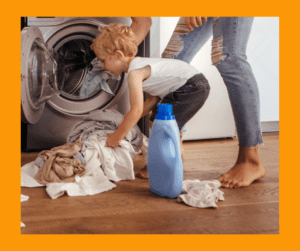
In our classrooms, you will see children pouring their own milk or water, washing their own hands, and putting on their own coats and boots to go outside (with support, if needed). It takes patience, but these small tasks make children feel capable and confident, which is a key stage during preschool development. A strong sense of self and knowledge that they are capable, builds resilience and the feeling they can take on whatever challenge may come their way.
Daily Routines Build Connection
- Mealtimes: Encourage conversation and independence (like helping set the table). Keep meals pleasant and low-pressure.
- Playtime: Offer choices, model sharing, and guide problem-solving.
- Bedtime: A predictable routine: bath, pajamas, story time, helps children feel safe and calm, a perfect backdrop to relaxation and rest.
Transitions can still be tricky. Giving a “heads up” before changes (“Five more minutes, then snack time!”) helps reduce stress.

Big Feelings and How to Help
Tantrums don’t disappear at age three, but they do appear less frequently. At this stage, they often happen when children are tired, hungry, or overwhelmed. Planning ahead with snacks, rest, and engaging activities can prevent meltdowns. Health professionals also recommend that 10–13 hours of sleep daily, including naps, is optimal for preschool development physically and mentally.
Help your child understand emotions by continuing to name feelings during daily activities, reading books about emotions, and modeling calm responses. Encourage them to use words: “You look frustrated, can you tell me what you need?”
Preschool Development: Better Words, Fewer Big Behaviours
As vocabulary grows, you’ll notice less hitting, biting, and other physical behaviours. Why? Because children now have the words to express what they feel and need. Instead of biting when frustrated, they can say, “I’m mad!” or “I need help.” Language is a powerful tool for reducing aggression and building social skills, so keep talking, reading, and singing together every day.
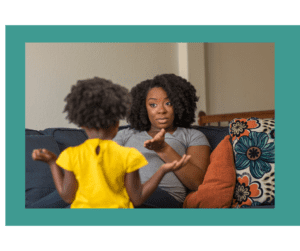
It is best to set clear, consistent boundaries while validating feelings. For example: “It’s okay to feel angry, but hitting is not okay.” Redirection and alternatives may help when conflicts arise, but you may also want to prepare yourself to implement some pro preschool development consequences to address unwanted behaviours. Teaching is always the goal in these situations and not punishment.
Focus on What You Want to See More of.
Example: “I love how you used your words to ask for the toy instead of grabbing it; that was great!”
Offer a Short Break to Support Regulation.
If emotions are high, a calm space to settle down can help.
Example: “Let’s take a break and read a book until you feel better.”
Aim for Logical or Natural Consequences.
Logical Consequences are directly related to the behaviour, and explained calmly.
Example: “You spilled the water on purpose, so now we need to clean it up together.”
Natural Consequences let the outcome of the behaviour teach the lesson (as long as it’s safe).
Example: If a child throws a toy, the toy is put away for a time because it’s not being used safely.
Checking in with Ourselves
Little ones are always watching us for cues on how to react. Our moods and emotions matter; whether we’re feeling stressed or relaxed, children pick up on that instantly. Before stepping into a challenging situation, pause and check in with yourself. If you’re upset or overwhelmed, try to regulate first or avoid situations that might lead to conflict. When we model calm and self-control, we teach children how to manage their own feelings too (see Emotional Regulation for Kids: How to Help).
Closing Thoughts
Preschoolers are incredible learners; they are curious, creative, and full of determination. These years focused on preschool development are all about building independence, developing language, learning skills, and how to manage big feelings. With patience, encouragement, and plenty of play, we can help them grow into confident, capable little people. Remember, every “I can do it!” is a milestone worth celebrating.