
Our child care programs, summer camp, and forest school are child-centered and inquiry based.
Toddlers (ages 1.5 to 2.5) are the focus of this post in our Childhood Development Series where we explore the different ages and stages in our UCCC programs. We’re highlighting typical development and behaviours, offering practical tips and suggestions about how we can choose to better understand and support children.

We also want to help you recognize when extra attention may be needed – support is available. Childhood development isn’t a race; each child’s journey is unique. While it’s helpful to have a general idea about development, kids don’t follow charts exactly. However, if you’re concerned about your child’s development you might want to reach out to a doctor or healthcare provider.
Now, let’s look at this curious, energetic, joyful, funny, willful, and wobbly time!
Toddlers at a Glance:
Curious exploration:
Toddlers want to explore and so many skills are emerging, it can be hard to keep up with all the changes: physical, cognitive, social-emotional, and communication.
Emotional ups and downs:
Happy, calm, or excited one minute, sad, frustrated, or angry the next, with limited language and self-regulation. Big feelings are part of growing up; learning to manage them is a long process.
Push for independence:
The “No!” stage is marked by a push for independence, as toddlers are developing their own will and working toward autonomy. They might be heard declaring “I do it!” or commanding things to happen.
Social learning:
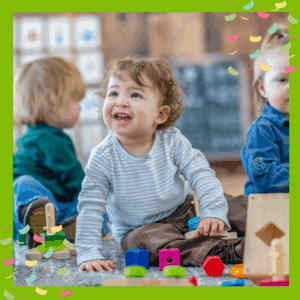
Learning through play in toddlers begins with parallel play, where children play beside one another. Developmentally, toddlers are not yet typically able to share.
Tips for success
Connect first.

Choose to connect first. Throughout the day, every interaction with children is an opportunity to be patient, understanding and to connect. By intentionally and consistently connecting in positive ways, we build a solid, trusting foundation with children.
Sharing meals and snacks is a great chance to connect, communicate, and practice skills. We can choose to make mealtimes enjoyable instead of stressful by being patient, persistent, and pleasant (see 7 Tips for Fuss-free Mealtimes – Upper Canada Child Care)

During play time, we can choose to model turn-taking, sharing, and empathy (realizing that these skills take time and practice to develop).
Before bedtime is a chance to end the day with connection, communication, and self-care with a consistent routine. For example, a bedtime routine might consist of having a relaxing bath, putting on pjs, listening to music, singing a bedtime song, and reading a bedtime story (see Reading to children: so many benefits – Upper Canada Child Care.)

Use flexible routines and prepare for transitions.
Having structure and predictability from adults who are responsive to their needs helps children regulate their emotions. Our childcare programs set up for success with effective flexible routines that provide a balance of indoor/outdoor play and activities, nutrition, and rest.
Tantrums aren’t just an inevitable part of toddlerhood. They generally indicate an unmet need combined with limited and developing language and self-regulation. Perhaps a child is feeling something, but they can’t express it. Maybe they’re hungry, frustrated, or tired (little children typically need 11 to 14 hours of sleep, including naps, daily). When we understand what tantrums mean, we can try to prevent them (being prepared with engaging activities, healthy snacks, and time for rest), or mitigate them.
It’s common for children to struggle with transitioning through activities, like when play time at the park ends. This is normal. Wherever possible, giving children a heads up, talking through what’s happening, what they can look forward to next (e.g. “After the park we get to have a snack – yay!”) and building in more time to get through transitions is a good idea.
Prioritize your self-care.

We can’t underestimate the role parents, caregivers, and educators play in shaping a child’s life. Caring for children is a big job. But it doesn’t have to feel heavy.
When we prioritize self-care, a positive mindset, and sprinkle in some gratitude, it’s easier to care for children. Some might dismiss self-care or think it’s “selfish”, but we think it’s being responsible. Knowing what you need, to be your best self, and then doing it, is not just a gift to yourself. It’s a gift to everyone around you.
Self-care looks different for everyone. Maybe it’s taking some time to get out and do a class, or spending some time in nature, or making time to chat with friends. Perhaps it’s getting up a bit earlier to have a quiet cup of coffee and reading/journalling before the day begins. Whatever it looks like, choose what works for you, because your well-being matters too.
When we do this, the toddler years feel less like a storm to survive, and more like an adventure to enjoy.
Co-regulate
Child Mind Institute describes co-regulation as “actively managing your own emotions to help kids manage theirs.” (For more on this, see What Is Co-Regulation? – Child Mind Institute). A key part of this equation we’ve already established: taking care of ourselves and our own needs. When we do this, it makes it easier to be calm, consistent, and confident with children.
When engaging with toddlers, it’s important to respond using clear, simple, reassuring language so our calm, consistent, confident energy translates to them. Being clear and reassuring provides security.

Another important piece of learning to emotionally regulate is being able to recognize and name feelings. To help young children understand emotions, we can use feeling words during daily activities—reading books about emotions or singing songs like “If you’re happy and you know it.” We can ask open-ended questions and be attentive to their responses. We can also model emotional awareness by sharing our feelings (“I feel sad,” “I’m excited”) and encourage toddlers to name theirs by asking “How do you feel?” or showing pictures of emotions. This helps them recognize and express what they’re experiencing.
How we respond to children expressing their emotions matters too. We want to teach children that all their feelings are ok, and that children can cope with their feelings.
Attuning to and patiently comforting children often makes it easier to move through a feeling, whereas saying something like “put your tears away” gives the message that certain feelings aren’t ok. If we have an impatient or dismissive reaction to a feeling, we may end up intensifying the feeling.
By calmly talking through situations, we not only help children learn to use words to express themselves, but by modeling calm we’re co-regulating.

Set boundaries and limits
While we need to be patient with validating children’s feelings, it’s equally important to guide behaviour, to prioritize safety and set appropriate boundaries with toddlers. It’s normal to have feelings but it doesn’t mean that “acting out” in reaction to those feelings is okay.
Trying to stay one step ahead is key with toddlers. It’s developmentally appropriate for young toddlers to often put things in their mouths for various reasons, from learning to self-soothing. While it’s unreasonable to ask toddlers not to put anything in their mouths, it’s important to not let them bite people. If a child feels frustrated, they can have their feelings, but they also need to learn that biting or hitting others is not ok.
It’s our responsibility to intervene if a toddler tries to bite or hit others, to teach them empathy, and to know that biting and hitting hurts. We need to teach that “biting is for food” and to model “gentle hands”. We can’t ignore or minimize biting or hitting, thinking it’s just a phase they’ll grow out of. While it may be true that a stage will eventually pass, we’re setting the tone for how a child learns to cope and to treat others as they develop.
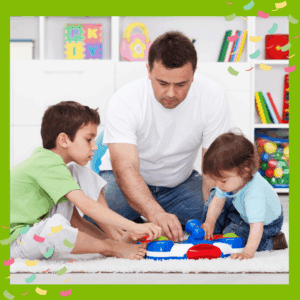
If a tantrum happens, respond in a way that helps shorten and soften it. Stay calm and use gentle distraction or redirection. These strategies activate your child’s “thinking brain,” shifting their focus away from the upset. For example, if they’re frustrated because they can’t have something they want, try asking a fun, unexpected question or guide them toward an activity that piques their curiosity.
Build resilience.
It’s important to help toddlers start to develop and practice effective coping skills and resilience. We don’t want to just appease a child’s every demand and teach them that when they have a tantrum they get rewarded with a food or a toy; that doesn’t help them – or you – in the long run. It’s ok for children to struggle with disappointment if they don’t get to have or do something right away.
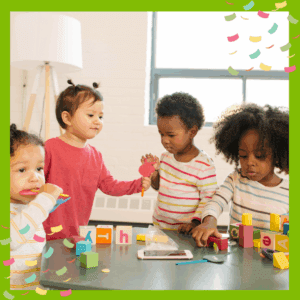
While we can model sharing and turn taking, it also can be helpful to use strategies like distraction and redirection with toddlers, while someone else is playing with a toy or is doing an activity that a child wants to do.
It also isn’t fair to always expect the other child to appease the child who is having the tantrum. We don’t want older children to think that their possessions and feelings are less important than another child’s wants. This can cause feelings of resentment and a lack of autonomy. Instead of forcing sharing, it’s more effective to teach sharing as a choice, to encourage taking turns, and to set boundaries. This also works for playdate guests when they get older.
As we said, sharing and turn taking require time to learn. These things don’t come until later when children are preschoolers, and even then, it takes practice. Patiently guiding and comforting children without just giving in to all demands and providing other options helps kids learn that they’re resilient. They learn that they can cope with their feelings and gives them strategies. (For more on resilience, see Raising Resilient Children and Youth | CAMH).
Promote independence.

It’s tempting to just do things for children – especially when we’re busy and want things done a certain way. However, they need to learn, and to make mistakes. It’s another key element to children developing resilience and confidence.

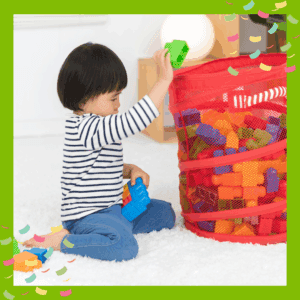
Developing skills takes time and patience. So, whenever we can, it’s a good idea to intentionally build in opportunities to practice independence. Toddlers can practice washing their own hands (with help), feeding themselves, trying to get dressed (with help), and helping to put toys away. This investment of time to practice will benefit them (and you) in the long run.
Choose your perspective.
Parenting toddlers can be challenging, and it’s normal to have moments of frustration or doubt. Instead of expecting them to act older than they are, try embracing their current stage. It’s full of learning and growth.
When emotions run high, remember that those ups and downs are part of their normal and healthy development. By welcoming their feelings, you are helping them express themselves.
If your child resists or says “No,” try to see it as a sign of independence, not defiance. This phase builds confidence and a strong voice, skills that will help them as they grow.
And when things feel tough, remind yourself that you are doing your best, and that matters.
At UCCC we celebrate a growth mindset, while looking for teachable moments. That’s why age two is never ‘terrible’, but ‘tremendous’, or ‘teachable’. Every “No!” is a step toward independence and confidence.
Choose to be present.

Certainly, the early years with toddlers require energy, flexibility, and patience (as with anything we care deeply about). Yes, this stage can be tiring. But it can be quite magical too, and we want to be present for it. In the grand scheme of life, these intense years go quickly. Gretchen Rubin (“The Happiness Project”) said it so well: “the days are long, but the years are short”.
Before you know it, they’re preschoolers, then kindergarteners, school agers, tweens, teens, and adults. We can also say confidently that with some intention, patience, and self-care, we can help children manage through a stage. Let’s keep in mind the goal: to make it through to the other side: balanced, secure, and self-regulated.